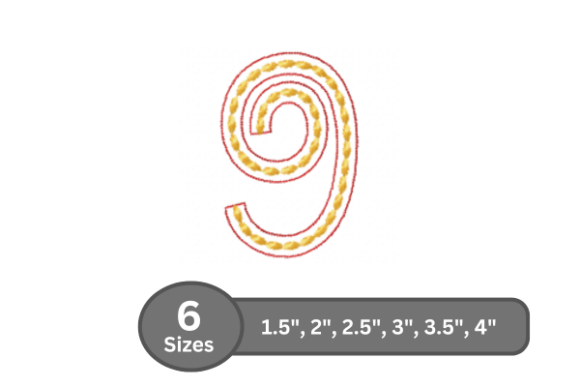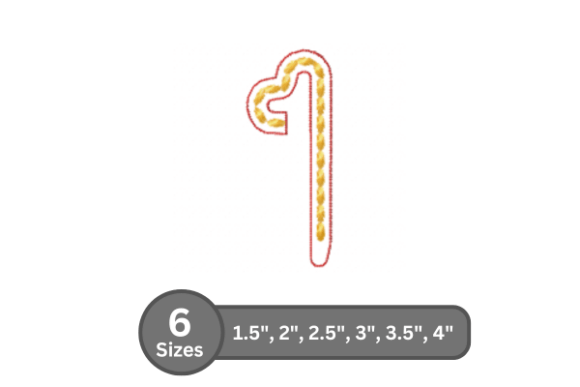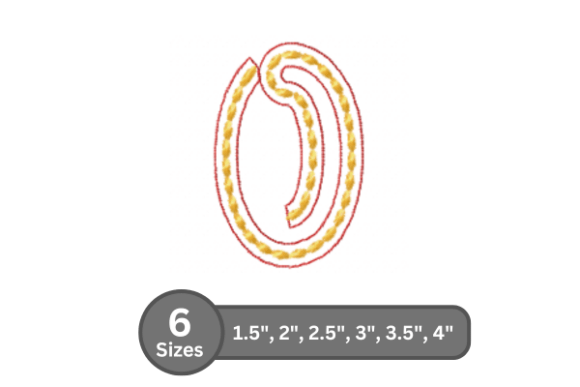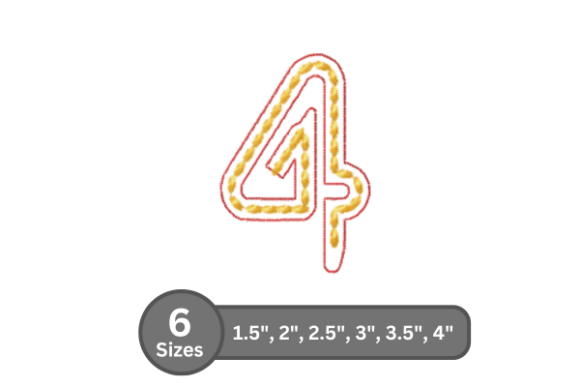
Rope Twist Number -8: Embroidery Design Review
As an experienced embroidery designer working extensively with small businesses and apparel decorators, I approach every new digitized asset with a critical eye toward production viability. When evaluating the Rope Twist Number -8, my primary focus is not just aesthetic appeal, but how this specific machine embroidery design performs under the rigors of commercial embroidery. For shop owners creating branded merchandise, staff uniforms, or custom patches, the difference between a pretty font and a functional business asset lies in stitch integrity, registration, and versatility across different substrates.
First Impressions: Visual Personality and Brand Fit
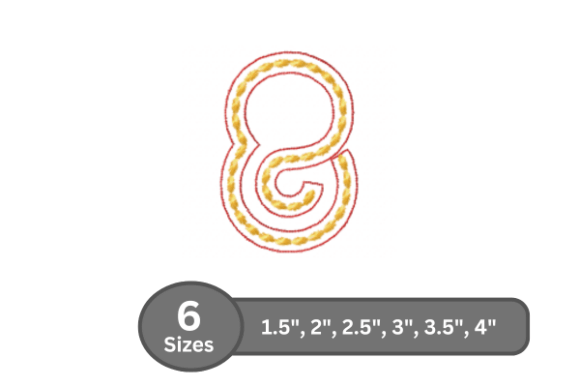
Upon loading the embroidery file into my software, the Rope Twist Number -8 immediately presents a distinct visual character. The rope twist construction suggests a nautical, rustic, or heritage aesthetic that is highly sought after in current market trends. Unlike standard satin column fonts that can sometimes appear flat or overly corporate, this fill stitch embroidery font offers texture and depth. For a local bakery, florist, pet brand, or boutique hotel, this style communicates warmth and craftsmanship.
The "rope" effect relies on precise digitizing to maintain the illusion of twisted fibers without creating excessive bulk. In my review, I found that this design strikes a balance between decorative flair and legibility. It feels professional yet handmade, making it an excellent candidate for businesses that want to emphasize artisanal quality. However, because it mimics a physical rope structure, it carries more stitch density than a simple running stitch outline. This makes it visually striking on tote bag designs and apron embroidery, but it requires careful consideration when scaling down for smaller applications.
Performance in Real Business Scenarios
For small business merch and custom apparel, versatility is non-negotiable. I tested the Rope Twist Number -8 conceptually against several common commercial use cases to determine where it adds the most value.
- Staff Uniforms and Aprons: This is perhaps the strongest application. On canvas aprons or denim work shirts, the textured fill stitch complements the fabric texture rather than fighting against it. The number stands out clearly as part of a larger monogram or pricing label without looking like a sticker.
- Tote Bag Design: Canvas and linen totes provide a stable base for this font. The rope twist detail elevates a simple promotional item into a premium retail product, increasing perceived value for customers.
- Embroidered Patches: When used as a central element in a patch, the number provides excellent coverage. However, because rope styles have irregular edges, I recommend pairing it with a clean merrowed border or a simple satin circle to frame it professionally.
- Boutique Merchandise: For Etsy sellers and handmade brands, using this digital embroidery file on tea towels, napkins, or baby blankets reinforces a cohesive brand identity. The stylistic consistency helps build customer trust and recognition.
Critical Considerations for Production
While the Rope Twist Number -8 is beautifully digitized for smooth stitching, no design is immune to physics. As a professional, I must highlight where caution is required to avoid production failures or unsatisfactory finished products.
Size Limitations and Registration
The intricate nature of a rope twist means there is a minimum viable size. If you attempt to shrink this number too small for a cap embroidery front or a tiny sleeve cuff, the internal details of the twist will collapse. The fill stitches may overlap, causing thread breaks or a muddy appearance. Always check the minimum recommended size in your design assets documentation before committing to a production run. For caps specifically, ensure the curve of the hat does not distort the vertical alignment of the rope texture.
Fabric Texture and Stabilizer Selection
This design has moderate to high stitch density due to the fill technique. On lightweight knits or performance fabrics, this can cause puckering if the stabilizer is insufficient. For dark uniforms or stretchy materials, I strongly advise using a cut-away stabilizer and potentially a topping to prevent the rope texture from sinking into the fabric pile. Conversely, on heavy canvas or towel terry, the density works in your favor, anchoring the design securely. Always test on the actual garment fabric, not just a scrap of similar weight, as weave tightness affects final registration.
Washability and Durability
For items destined for frequent washing, such as café aprons or hospitality linens, inspect the tie-offs and jump stitch trimming. While the description notes this font is carefully digitized for professional results, real-world laundering tests are essential. Ensure the rope twist segments are adequately locked down so they do not unravel over time. A well-digitized fill stitch should withstand industrial laundering, but verifying this protects your reputation as a vendor.
Impact on Brand Identity and Customer Perception
Choosing the right typography for embroidery is a strategic business decision. The Rope Twist Number -8 influences how customers perceive your brand. In the context of monograms and branding, this font signals attention to detail. It moves beyond generic block lettering, suggesting that the business cares about aesthetics and quality.
When used consistently across touchpoints—from product packaging accents to event merch—it creates visual cohesion. Customers subconsciously associate this level of typographic care with higher product value. For creative studios and makers, this alignment between digital presentation and physical execution is crucial. A printable mockup might look perfect on screen, but only a physically stitched sample confirms that the brand identity translates effectively to thread. This tangible proof of quality is what separates successful handmade brands from hobbyists.
Professional Designer Notes for Implementation
Before adding the Rope Twist Number -8 to your production queue, follow these practical steps to ensure success:
- Verify Commercial Licensing: Before selling any item featuring this design, confirm the license terms included with your digital embroidery file. Ensure you have the rights to use it for small business merch and client work.
- Conduct Contrast Tests: Stitch the number in both high-contrast (white on navy) and low-contrast (tone-on-tone) thread colors. Rope textures can disappear in tone-on-tone applications if the lighting is poor, so verify visibility for your specific use case.
- Check Hoop Size Compatibility: Confirm that the design fits comfortably within your hoop size with adequate margin for stabilization. Crowding the hoop edges can lead to tension issues that distort the rope shape.
- Create Physical Samples: Never rely solely on software simulation. Stitch a test on the exact fabric and stabilizer combination you plan to use. Inspect the backside for excessive jump stitches or bobbin thread show-through.
- Compare Beside Other Assets: Place a stitch-out of Rope Twist Number -8 next to your existing logo and other design assets. Ensure the visual weight matches. If your logo is delicate and thin, this bold rope number might overpower it; if your logo is heavy, they will pair perfectly.
- Client Approval Protocol: If producing for a third party, always create a physical sample or a photo of a stitch-out for approval. Printable mockups cannot accurately represent the texture of a fill stitch rope font. Managing expectations upfront prevents costly rework later.
The Rope Twist Number -8 is a valuable addition to any commercial embroidery library when applied with technical awareness. Its unique texture offers small businesses a way to distinguish their custom apparel and accessories in a crowded market. By respecting its density requirements and testing thoroughly across different applications, you can leverage this design to create professional, durable, and aesthetically pleasing merchandise that truly represents your brand's commitment to quality.