Rope Twist Number -4: A Designer’s Review
As an embroidery designer who specializes in commercial branding and small business merchandise, I approach every new digitized asset with a critical eye. When evaluating the Rope Twist Number -4, my primary focus is not just aesthetic appeal, but functional performance on real-world products. For shop owners, Etsy sellers, and apparel decorators, a font is only as good as its ability to stitch out cleanly across various substrates while maintaining brand integrity. This review examines how this specific fill stitch embroidery font performs when applied to professional merchandise, from staff uniforms to custom patches.
Visual Personality and Brand Identity
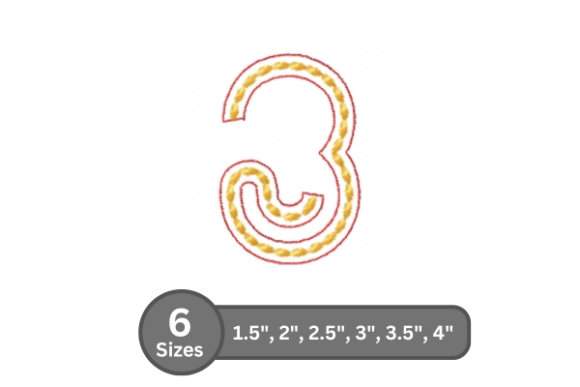
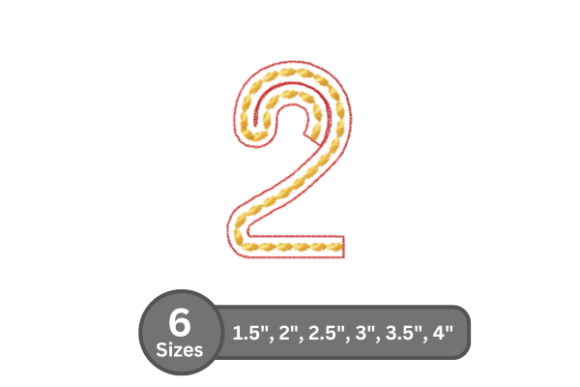
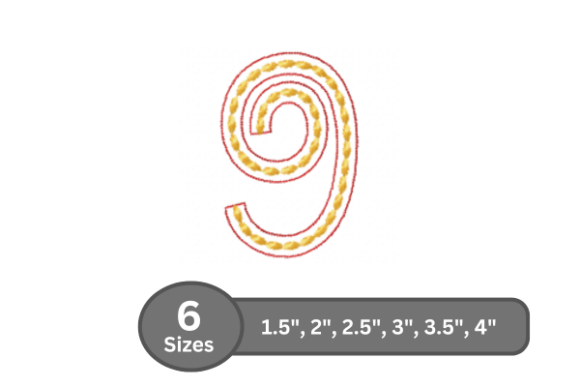
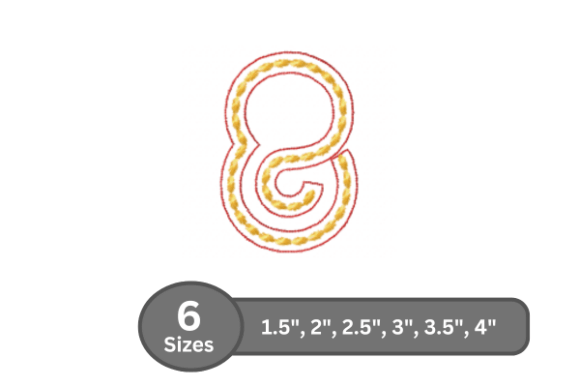
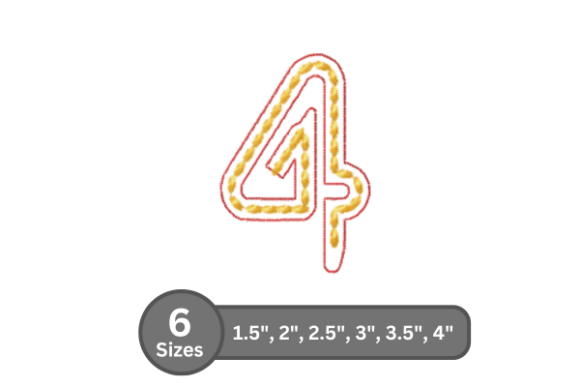
The first impression of Rope Twist Number -4 is one of structured elegance combined with tactile warmth. Unlike standard block fonts that can feel sterile or overly corporate, this design carries a distinct rope texture that implies craftsmanship and heritage. For a small business, this visual cue is powerful. It suggests a handmade product quality even when produced via automated machine embroidery. The twist detail adds depth without relying on excessive stitch density, which is crucial for maintaining fabric drape.
In terms of brand identity, this font bridges the gap between rustic charm and modern professionalism. It feels particularly appropriate for businesses where trust and tradition are key selling points. I can easily envision this working beautifully for a boutique bakery, a florist, a pet grooming studio, or an artisanal coffee roaster. It avoids the playfulness of cartoon fonts and the rigidity of industrial typefaces, landing squarely in a versatile "premium casual" category. For merchants creating small business merch, this balance helps elevate the perceived value of the item, making a simple tote bag or apron feel like a curated brand asset rather than generic promotional wear.
Performance in Commercial Embroidery Applications
When integrating Rope Twist Number -4 into commercial embroidery projects, versatility is paramount. Based on the digitizing structure described as smooth stitching, this font shows significant promise for high-volume production environments where thread breaks and registration errors can destroy profit margins.
- Apron Embroidery: Aprons are often made of canvas or denim. The rope texture of this number complements these heavier fabrics exceptionally well. The fill stitch provides enough coverage to stand out against textured weaves without becoming bulletproof or stiff.
- Tote Bag Design: For retail merchandise, clarity at a distance matters. Rope Twist Number -4 has enough weight to be legible on natural cotton canvas bags, serving as both a price indicator (e.g., "$4") or a collection marker.
- Staff Uniforms: On polo shirts or work button-downs, this font offers a refined alternative to standard numbering. It allows staff uniforms to feel bespoke and aligned with a boutique aesthetic rather than a fast-food chain vibe.
- Embroidered Patches: This is perhaps the strongest use case. The rope style naturally mimics traditional chenille or corded patch aesthetics. Using this digital embroidery file for patches creates a vintage, varsity-inspired look that is currently trending in streetwear and local business branding.
For cap embroidery, the results depend heavily on size. While the font is robust, the intricate twist detail requires sufficient space to register correctly on curved surfaces. On structured caps, it serves as an excellent accent for sleeve cuffs or back-of-hat sizing indicators, provided the hoop size accommodates the necessary detail.
Critical Considerations for Production
Despite its strengths, Rope Twist Number -4 requires careful handling to ensure professional results. As with any specialized machine embroidery design, understanding its limitations prevents costly reworks.
Fabric Texture and Stabilizer Selection
The interaction between fabric texture and the rope fill is the most common failure point in production. On highly textured fabrics like terry cloth towels or pique knits, the twist detail can get lost if proper stabilization is ignored. You must use a stabilizer that creates a smooth foundation; otherwise, the stitches will sink into the weave, and the rope effect will vanish. Always test on the actual garment material before running a full batch of custom apparel.
Size and Stitch Density Constraints
While described as carefully digitized for smooth stitching, there is a physical limit to how small a twisted rope effect can render. If you attempt to shrink Rope Twist Number -4 down for tiny collar tags or miniature labels, the internal details may merge, resulting in a muddy blob rather than a defined number. I recommend establishing a minimum height threshold during your testing phase. Conversely, check the stitch density if scaling up significantly. While fill stitches generally scale well, enlarging too much without adjusting parameters can lead to gaps between the rope strands. Verify the recommended size range in your embroidery file documentation before committing to large-format applications.
Thread Color Contrast
The 3D illusion of a rope twist relies entirely on light and shadow created by the stitch direction and thread colors. High contrast is non-negotiable. A dark grey rope on a black shirt will fail to show the texture. For maximum impact, use tonal contrast (e.g., cream rope on navy fabric) or metallic threads to enhance the dimensional quality. Low-contrast combinations flatten the design and negate the premium feel of the digitizing.
Designer Notes for Business Implementation
To maximize the ROI of this digital embroidery file, follow these practical workflow steps before launching your merchandise line:
- Create a Printable Mockup: Before stitching, place the design in a digital mockup to visualize scale relative to the garment. Ensure the number doesn't overpower logos or other design assets.
- Run a Black and White Test: Stitch the design in black thread on white felt or twill. This removes color variables and lets you inspect the pure stitch architecture. Look for clean edges and consistent spacing in the twist.
- Verify Hoop Size Compatibility: Confirm that your intended application fits within your machine’s usable area. Rope designs often have wider column widths; ensure you aren't pushing the limits of your hoop, which can cause tension issues.
- Check Commercial Licensing: Before selling items featuring Rope Twist Number -4, explicitly confirm the license terms. Ensure you have the right to use the font on products for sale, not just personal projects.
- Compare Beside Other Assets: Place a sample stitch-out next to your existing logo and branding materials. Does the rope style clash with a minimalist sans-serif logo? Visual consistency builds customer trust.
- Wash Test for Durability: If using this for staff uniforms or kids' clothing, wash and dry the test piece three times. Inspect for fraying or distortion in the twist. Professional merchandise must withstand laundering.
Elevating the Finished Product
Ultimately, Rope Twist Number -4 is more than just a way to display a digit; it is a tool for enhancing the perceived quality of your finished product. In a crowded market of handmade goods and local services, details matter. Customers associate thoughtful typography with overall business competence. When a client receives a towel or buys a cap where even the numbering reflects a cohesive, textured aesthetic, it reinforces the narrative of care and quality.
For embroidery shops and creators, this font offers a reliable solution for clients who want something "different" but still readable and professional. By respecting the technical requirements of stabilizer, sizing, and contrast, Rope Twist Number -4 can become a staple in your library for apron embroidery, boutique branding, and premium merchandise. It transforms a functional necessity—numbering and labeling—into a deliberate design choice that strengthens brand recognition and delights the end user. Always remember to verify specific file formats and licensing directly from the source to ensure seamless integration into your commercial workflow.