My Art, My Rules: Embroidery Design Review
As a professional embroidery designer specializing in commercial branding and merchandise production, I approach every new machine embroidery design with a critical eye toward production viability. When evaluating the "My Art, My Rules" design for small business applications, my primary focus shifts from pure aesthetics to functional versatility. This review analyzes how this specific whimsical character pattern performs when translated into branded assets for cafes, boutiques, creative studios, and handmade brands. For business owners and apparel decorators, understanding the technical behavior of this embroidery file is just as important as its visual charm.
Visual Personality and Brand Alignment
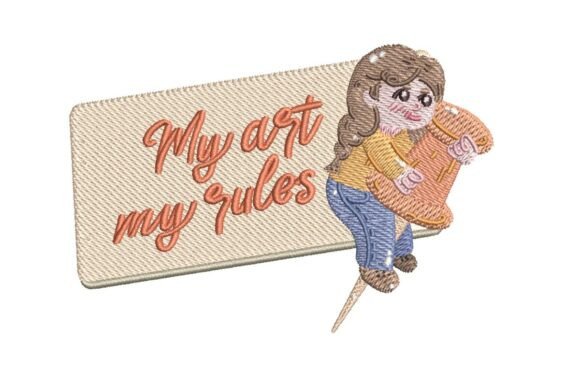
The first impression of "My Art, My Rules" is distinctly independent yet approachable. The description highlights a whimsical illustrated character with long, wavy brown hair dressed in yellow, which immediately signals a brand identity rooted in creativity, warmth, and personal expression. From a merchandising perspective, this aesthetic is highly effective for businesses that want to convey a handmade product feel or an artisanal quality. It avoids the sterile look of corporate vector art, making it ideal for florists, bakeries, pet brands, and Etsy sellers who rely on emotional connection with their customers.
However, the whimsical nature of the artwork requires careful consideration regarding brand identity. While the character exudes creative freedom, the execution must remain polished to maintain customer trust. In my assessment, this design strikes a balance between playful and professional, provided the digitizing maintains clean lines. The yellow dress offers a natural pop of color that can serve as a brand accent, while the brown hair provides necessary contrast against lighter fabrics. For a creative studio or boutique, this design communicates that the business values individuality, which resonates deeply with niche markets seeking unique small business merch.
Commercial Applications and Merchandise Versatility
In real-world commercial embroidery scenarios, "My Art, My Rules" shows significant potential across various substrates. Its illustrative style makes it particularly well-suited for the following applications:
- Embroidered Patch: The character-centric composition is perfect for patch creation. Patches allow for high detail that might be lost on textured fabrics. This design could serve as a collectible sticker-style patch for customer loyalty programs or staff recognition.
- Apron Embroidery: For cafes and bakeries, placing this design on the chest or pocket area of an apron adds personality to staff uniforms without compromising professionalism. The yellow element can be matched to the business’s primary branding color.
- Tote Bag Design: Canvas totes are a staple for handmade brands. This design works beautifully as a center chest or lower-corner accent, reinforcing the "my art, my rules" ethos of creative ownership.
- Cap Embroidery: While challenging, the character could work on unstructured caps if resized appropriately. It appeals to creative professionals and artists who wear headwear as part of their daily uniform.
- Product Packaging Accents: Beyond apparel, this design can be stitched onto fabric tags or reusable packaging wraps, elevating the unboxing experience for digital design assets buyers or physical product customers.
For Etsy sellers and craft business owners, using this design creates visual consistency across multiple touchpoints. When a customer sees the same whimsical character on a tote bag, a cap, and a product label, it reinforces brand recognition and perceived value.
Technical Considerations for Production
Despite its charm, "My Art, My Rules" presents specific technical challenges that embroiderers must navigate. As a reviewer, I advise caution in the following areas to ensure the finished product meets commercial standards:
Stitch Density and Fabric Texture
Illustrated characters often involve complex fill stitches and detailed outlines. When applying this to custom apparel like pique polos or textured canvas, there is a risk of the design sinking into the fabric. You must verify the stitch density before running production. If the design is too dense for lightweight knits, it will cause puckering; if too sparse for heavy canvas, it will look cheap. Always test on the exact fabric texture intended for the final merchandise.
Sizing and Detail Retention
The wavy brown hair and facial features mentioned in the description are potential failure points at small sizes. If you intend to use this as a sleeve detail or a small chest logo under 2 inches, inspect the digitizing closely. Tiny lettering or intricate hair strands may turn into thread blobs if the embroidery file was not optimized for reduction. I recommend checking the minimum recommended size specified by the digitizer. Never assume a design scales down infinitely without losing clarity.
Hoop Size and Stabilizer Selection
Confirm the hoop size requirements before purchasing. Character designs often have irregular dimensions that do not fit standard rectangular hoops efficiently. Using the correct stabilizer is non-negotiable here. For the yellow dress area, ensure adequate backing to prevent distortion during the fill stitch sequence. For caps or curved surfaces, specialized hooping techniques and tear-away stabilizers are essential to maintain registration between the character outline and the fill areas.
Strategic Designer Notes for Business Owners
To maximize the ROI of "My Art, My Rules" in your business, follow these practical steps derived from professional Sewing Crafts and Embroidery workflows:
- Create a Printable Mockup: Before stitching, place the design digitally on photos of your actual merchandise. A printable mockup helps visualize scale and placement relative to seams, pockets, and other branding elements.
- Test Thread Colors: Monitor colors vary significantly from thread charts. Stitch out a sample specifically to verify that the yellow dress contrasts sufficiently against your chosen garment color. Poor contrast kills readability.
- Verify Commercial Licensing: This is critical. Confirm that the license permits commercial use on merchandise for sale. Some licenses restrict use to personal projects or limit the number of units. Protect your business by validating usage rights for all digital embroidery file purchases.
- Compare Beside Other Assets: Print the design and place it next to your existing logo or signage. Does the whimsical style clash with your current typography? Ensure visual harmony before committing to production.
- Wash Test: If this design will be used on staff uniforms or items requiring frequent laundering, perform a wash test. Character designs with high stitch counts can sometimes distort after washing if not properly stabilized. Durability equals professionalism.
Evaluating Value for Creative Businesses
Ultimately, "My Art, My Rules" is more than a cute graphic; it is a strategic asset for businesses built on creativity. When executed correctly, it transforms generic merchandise into a statement of brand values. The key to success lies in respecting the technical limitations of the medium while leveraging the design's inherent personality.
For small business owners, the decision to use this design should be based on whether it authentically represents your brand voice. If your business celebrates independence and handmade quality, this pattern aligns perfectly. However, always prioritize production quality over novelty. A poorly stitched whimsical character damages customer trust faster than a plain text logo. By conducting thorough testing, verifying specifications, and applying professional finishing techniques, you can successfully integrate "My Art, My Rules" into a cohesive, profitable merchandise line that delights customers and strengthens your market position.