Life is Good: Embroidery Design for Business Merch
As a professional embroidery designer specializing in commercial branding and small business merchandise, I approach every new machine embroidery design with a critical eye. When evaluating the "Life is Good" inspirational script for potential business use, my primary focus shifts beyond mere aesthetics to structural integrity, production viability, and brand alignment. This review analyzes how this specific design performs when applied to real-world commercial projects, from staff uniforms to retail merchandise, ensuring that your investment in this digital embroidery file translates into high-quality, sellable goods.
Visual Personality and Brand Alignment
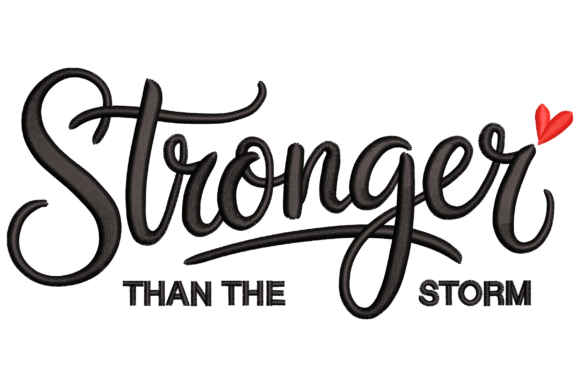
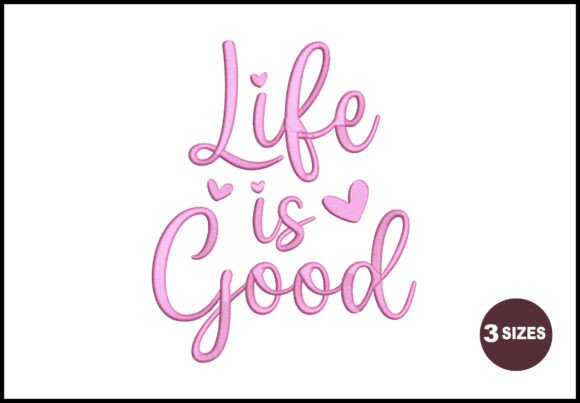
The first impression of the "Life is Good" design is undeniably warm and approachable. Based on its description as a gorgeously rendered script, it carries a visual weight that suggests optimism without sacrificing legibility. For small business owners, particularly those in the café, boutique, florist, or handmade sector, this tone is invaluable. It strikes a balance between professional polish and artisanal charm. Unlike rigid block lettering which can sometimes feel corporate or sterile, this script evokes a sense of personal connection and care.
However, visual appeal must be backed by technical execution. In a commercial setting, this design reads as friendly yet established. It avoids the overly ornate flourishes that often plague decorative scripts, making it suitable for businesses that need to maintain readability at a glance. Whether you are branding a bakery apron or creating event merch for a creative studio, the design’s inherent positivity serves as an excellent vehicle for building customer trust and emotional engagement. It signals that your brand values atmosphere and experience, not just transactions.
Commercial Applications and Merchandise Versatility
Versatility is the cornerstone of profitable small business merch. The "Life is Good" design shows significant promise across multiple product categories, provided it is applied correctly.
- Staff Uniforms and Aprons: For hospitality and retail staff, this script works beautifully as a chest logo accent or sleeve detail. Its uplifting message can boost team morale while presenting a cohesive, welcoming front to customers. On apron embroidery, ensure the placement is above the waistline to avoid obstruction during work tasks.
- Retail Tote Bags: As a tote bag design, this script transforms a functional item into a walking billboard. The organic flow of the lettering complements natural fabrics like canvas and linen, reinforcing the eco-friendly or handmade aesthetic many modern consumers seek.
- Caps and Headwear: Cap embroidery presents unique challenges due to curvature. This design’s script style is generally adaptable to cap fronts, but it requires careful digitizing verification to prevent distortion on the rounded surface.
- Embroidered Patches: Creating an embroidered patch version allows for inventory flexibility. You can produce patches in bulk and apply them to various items later, reducing upfront risk. The script’s continuity makes it ideal for merrowed-edge patches.
- Product Packaging Accents: Beyond apparel, consider using this design on fabric tags or reusable packaging wraps to elevate the unboxing experience and reinforce brand identity.
Technical Considerations for Production Success
While the aesthetic is strong, the technical reality of stitching script requires vigilance. Script fonts are notorious for registration issues if not digitized with commercial production in mind. Before running a full batch of custom apparel, you must evaluate specific technical constraints.
Fabric Texture and Stabilizer Selection
The performance of "Life is Good" will vary drastically depending on the substrate. On smooth, tightly woven fabrics like twill or poplin, the script should render crisply. However, on textured fabrics like pique knits or heavy canvas, the delicate connections in the script may get lost or cause puckering. Proper stabilizer selection is non-negotiable here. For stretchy knits, use a cut-away stabilizer to maintain the shape of the letters over time. For caps or structured bags, ensure your backing supports the stitch density without causing needle deflection.
Sizing and Legibility Thresholds
One of the most common failures in commercial embroidery is shrinking a design below its functional limit. Scripts rely on satin stitches; if reduced too much, these columns become too narrow to stitch reliably, leading to thread breaks or illegible text. You must verify the minimum size specification for this embroidery file. Do not assume it can scale down to a tiny label size without testing. If the design includes intricate swashes, they may need to be removed or simplified for smaller applications like sleeve cuffs or pocket logos.
Thread Color Contrast and Visibility
Inspirational messages fail if they cannot be read. Test thread colors against your actual garment stock. A cream thread on a white shirt looks elegant in a digital mockup but may disappear in store lighting. High contrast is essential for brand recognition. Additionally, consider how the design interacts with other design assets in your library. Does the script weight match your primary logo? Visual consistency across all touchpoints creates a premium perception of value.
Strategic Implementation for Business Growth
Integrating "Life is Good" into your product line is about more than decoration; it is a strategic move to enhance perceived value. Handmade products and boutique items command higher prices when the branding feels intentional and high-quality. A poorly executed embroidery job devalues the entire finished product, whereas a crisp, well-placed application validates the price point.
For Etsy sellers and independent creators, this design offers a way to diversify offerings without developing new intellectual property from scratch. It acts as a complementary asset that can bridge gaps between seasonal collections or serve as a staple "feel-good" item that sells year-round. Furthermore, using such positive messaging can improve buyer engagement and social media shareability, as customers love showcasing uplifting content.
Essential Pre-Production Checklist
Before committing this design to mass production, adhere to this professional testing protocol to protect your materials and reputation:
- Verify Commercial Licensing: Confirm that the license permits commercial sale of finished goods. Never assume usage rights based on the file purchase alone.
- Check File Specifications: Review the included documentation for recommended hoop size, stitch count, and color changes. Ensure these align with your machine capabilities.
- Create a Printable Mockup: Use a realistic printable mockup to visualize placement and scale before stitching. Get client or stakeholder approval on the virtual proof first.
- Run a Physical Test Stitch: Always test on the exact fabric and stabilizer combination intended for production. Inspect the backside for excessive jump stitches or bobbin tension issues.
- Evaluate Wash Durability: If the item will be laundered frequently (like uniforms), wash and dry the test sample to check for shrinkage or thread pull-out.
- Assess Small Size Performance: Specifically test the lower size limit to ensure the script remains connected and legible.
- Compare Beside Existing Assets: Place the stitched sample next to your current branded merchandise to ensure stylistic harmony.
By treating the "Life is Good" machine embroidery design as a commercial tool rather than just a decorative element, you maximize its return on investment. Its success lies in respecting the technical requirements of script embroidery while leveraging its emotional resonance to build a stronger, more relatable brand. With proper testing and strategic application, this design can become a valuable asset in your small business merchandise lineup, driving both sales and customer loyalty through the power of well-crafted, optimistic branding.