Soft Cord Number -9: Sweatshirt Design Review
As an embroidery designer preparing for a limited seasonal drop, selecting the right typography is often the difference between a garment that looks homemade and one that feels like a premium boutique piece. When evaluating Soft Cord Number -9 for our upcoming collection of neutral sweatshirts and oversized hoodies, my primary focus was on how this specific fill stitch font translates from screen to fabric. For small clothing brands and Etsy sellers, the digitization quality dictates not only the aesthetic appeal but also the production efficiency and perceived value of the final handmade product.
First Impressions and Stitch Personality
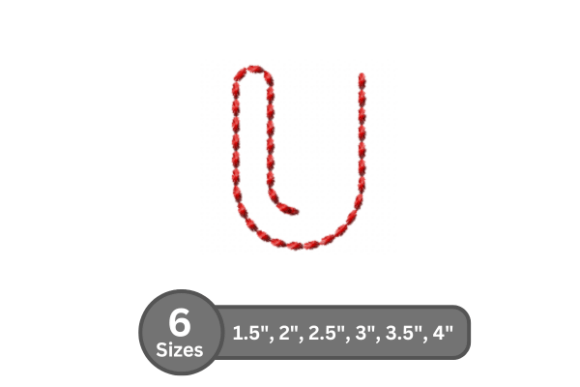
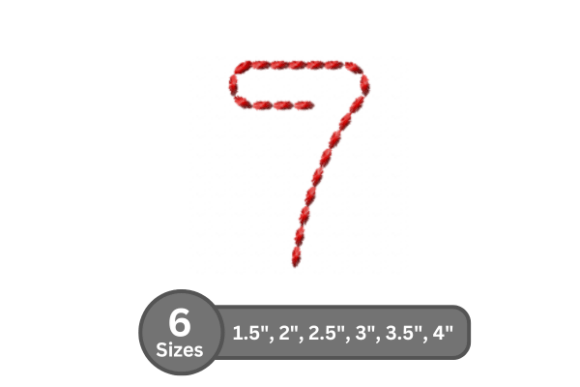
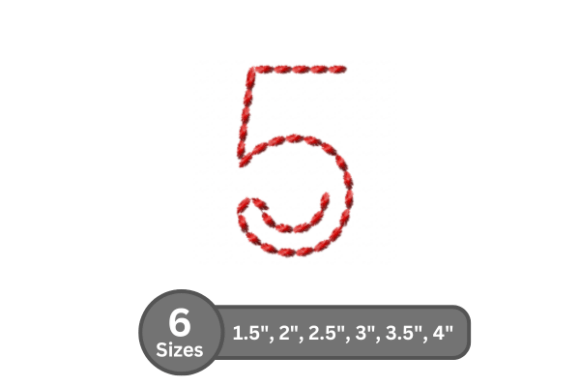
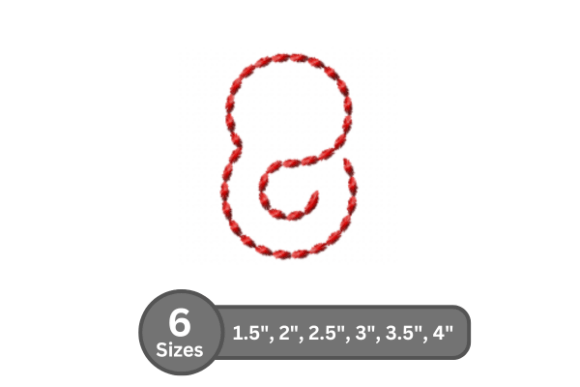
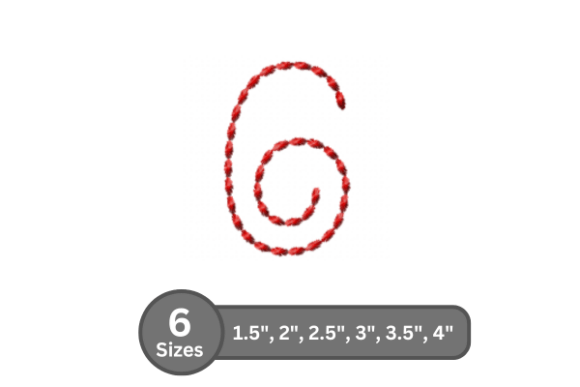
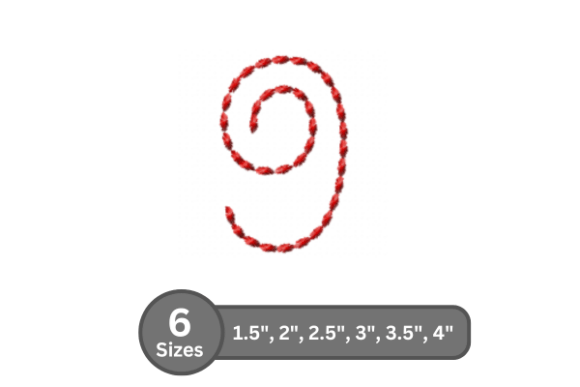
Upon loading the digital embroidery file into my software, Soft Cord Number -9 immediately presents itself as a versatile, approachable typeface. Unlike rigid block letters or overly ornate scripts, this design carries a softness that aligns perfectly with cozy apparel. The "cord" aesthetic implies a rounded, tubular appearance, which suggests a satin or specialized fill stitch structure designed to mimic texture without excessive bulk. For a boutique brand focusing on comfort wear, this visual softness is crucial. It avoids the harsh industrial look of standard athletic fonts while maintaining enough structure to remain legible at various sizes.
The mood of this machine embroidery design strikes a balance between playful and minimal. It feels feminine yet substantial enough for unisex oversized hoodies. When reviewing the node placement and stitch direction, it becomes clear that this font was digitized with smooth stitching in mind. This is vital for commercial embroidery where puckering or thread breaks can ruin profit margins. The personality of Soft Cord Number -9 leans toward modern rustic and casual chic, making it an excellent candidate for lifestyle product photography where the texture of the thread needs to complement, rather than compete with, the fabric texture of premium cotton fleece.
Application on Premium Sweatshirts and Hoodies
In our real-world test scenario, we applied Soft Cord Number -9 across three distinct garment types to evaluate its versatility for custom apparel branding.
Neutral and Pastel Sweatshirts
On cream and sage green sweatshirts, the font’s fill stitch definition stood out beautifully. Because the design relies on smooth stitching paths, it lays flat against the fleece nap without creating unnecessary tension. For Etsy sellers offering personalized monograms, this font allows for high contrast thread colors without looking heavy. A dark chocolate thread on a beige sweatshirt created a sophisticated, tonal look that elevates the item above standard craft fair merchandise. The soft edges of the number blend seamlessly with the brushed interior feel of the garment, reinforcing the "cozy" selling point.
Oversized Hoodie Chest Placement
Placement is everything in hoodie design. We tested Soft Cord Number -9 as a left-chest accent and a centered back design. At four inches wide, the number maintained its integrity and readability. The stitch density appeared optimized for heavier fabrics; it provided enough coverage to prevent the fabric grain from showing through the stitches, yet it remained flexible. This flexibility is non-negotiable for oversized hoodies where stiffness can cause the garment to drape poorly. The font feels decorative but grounded, ensuring the wearer feels stylish rather than like a walking billboard.
Sleeve Accents and Cuff Details
Scaling down for sleeve accents is often where fill stitch fonts fail. However, Soft Cord Number -9 retained its character when reduced for wrist placement. This makes it ideal for adding birth years, graduation dates, or meaningful numbers to custom apparel. For small shop products, offering these micro-personalization options increases average order value. The clean lines ensure that even at smaller sizes, the embroidery remains crisp after washing, which builds long-term buyer trust.
Technical Considerations for Commercial Embroidery
While the aesthetic is appealing, professional results depend entirely on technical execution. As you integrate this design asset into your workflow, several practical concerns must be addressed to ensure durability and quality.
- Stabilizer Selection: Sweatshirt fleece is unstable. Even with a well-digitized font like Soft Cord Number -9, using the correct stabilizer is mandatory. I recommend a medium-weight cutaway stabilizer for permanent support and a water-soluble topping to prevent the stitches from sinking into the pile. This ensures the cord effect remains visible and tactile.
- Thread Color Contrast: Fill stitch fonts reveal their true quality through contrast. Low-contrast threads (e.g., white on ivory) may hide minor registration issues but can also make the design look muddy if the stitch density isn't perfect. High-contrast combinations highlight the smooth stitching path. Always run a sew-out on the exact fabric you intend to sell before listing the item.
- Hoop Size and Tension: Ensure your hoop size accommodates the design with adequate margin. Over-tightening the hoop on fleece can cause hoop burn and distortion. Soft Cord Number -9 appears forgiving, but proper hooping technique preserves the fabric texture surrounding the embroidery.
- Fabric Thickness Variance: Not all sweatshirts are created equal. A 10oz French terry behaves differently than a 13oz heavyweight fleece. You may need to adjust pull compensation settings in your machine software depending on the base garment thickness to maintain the intended shape of the number.
Elevating Brand Identity and Product Value
For creative entrepreneurs, the choice of typography signals brand positioning. Using a generic system font for embroidery often results in poor stitch outs and a cheap appearance. Investing in specialized design assets like Soft Cord Number -9 demonstrates a commitment to quality. When customers zoom in on your printable mockup or view detailed photos of the finished product, they are looking for evidence of craftsmanship. Clean fills, smooth curves, and appropriate density communicate that this is a premium boutique brand item, not a rushed DIY project.
Furthermore, consistent use of a signature font helps establish visual recognition. If your Etsy shop becomes known for this specific soft, corded aesthetic, customers will return for that recognizable style. It transforms a simple number into a branded element. Whether used for sports team merch, sorority apparel, or sentimental baby gifts, the font’s adaptability supports diverse revenue streams within a single cohesive brand identity.
Production Readiness and Final Verdict
Before adding Soft Cord Number -9 to your production queue, always verify the specific file specifications. Check the included formats to ensure compatibility with your machine brand. Confirm the maximum and minimum recommended sizes to avoid distortion. While the description highlights its suitability for clothing, bags, and towels, testing on your specific towel weave or bag canvas is essential, as those substrates differ vastly from sweatshirt fleece.
In conclusion, Soft Cord Number -9 proves to be a robust contender for small business owners focused on apparel. Its careful digitization addresses the common pain points of embroidering on textured knit fabrics. By balancing aesthetic warmth with technical reliability, it serves as a reliable tool for creating high-value, personalized merchandise. For the upcoming season, this font offers the perfect blend of trend-awareness and timeless appeal, making it a worthy addition to any serious embroidery designer’s library. Remember, the success of any digital embroidery file ultimately lies in the maker's understanding of their materials, so take the time to test, tweak, and perfect your process before launching your next collection.