Script Embroidery Font: A Digitizer’s Review
As an embroidery designer who has digitized thousands of names for custom orders, I approach every new machine embroidery design with a critical eye. When planning inventory for a personalized gift shop, the typography you choose can make or break your product line. I recently tested the Script Embroidery Font to determine if it meets the rigorous standards required for commercial production and high-end gifting. My goal was simple: verify if this font delivers the smooth, clean stitch quality promised in its description when applied to real-world customer projects.
First Impressions: Mood and Stitch Integrity
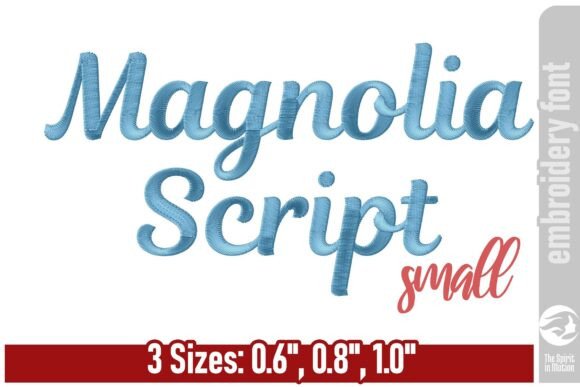
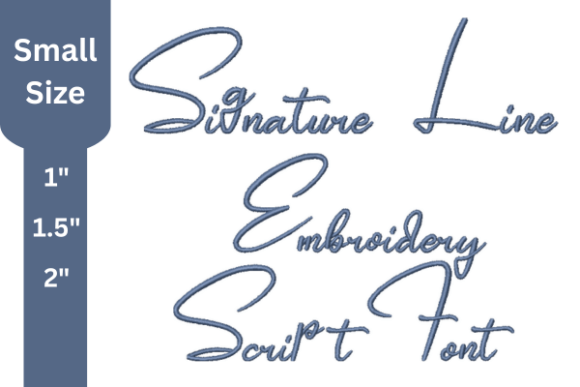
Upon loading the embroidery file into my software, the first thing I noticed was the intentional flow of the characters. In the world of custom embroidery, script fonts often suffer from excessive jump stitches or jagged edges that require heavy post-production trimming. This Script Embroidery Font, however, appears professionally digitized with connectivity in mind. The mood strikes a balance between classic elegance and modern readability. It does not feel overly ornate or dated; instead, it possesses a sweet, handmade charm that suggests care rather than mass production.
For an Etsy seller or small business owner, this aesthetic is crucial. Customers browsing for a wedding gift or nursery decor are looking for emotional resonance. The letterforms have enough weight to stand out on camera but enough delicacy to feel personal. During my initial test run, the consistent stitch direction contributed to a uniform sheen, which is vital when photographing finished products for listings. The light reflects evenly across the curves, enhancing the perceived value of the handmade product.
Real-World Application: From Blankets to Bridal
To truly evaluate this font, I simulated three distinct customer scenarios common in my shop. Versatility is key for any small shop product, and this typeface needs to perform across various categories.
Baby Embroidery and Nursery Items
My first test involved a plush minky blanket, a staple for baby embroidery. Soft fabrics can be unforgiving, causing stitches to sink or distort. The Script Embroidery Font maintained excellent legibility at a medium size. The smooth column stitches sat atop the pile without disappearing, creating a cozy yet polished look. This makes it an ideal candidate for baby shower gifts, milestone blankets, and crib sheets where safety and softness are paramount alongside aesthetics.
Kitchen Linens and Home Decor
Next, I tested the font on a terry cloth embroidered towel. Towels present unique challenges due to their texture and frequent washing. The stitch density of this font proved sufficient to cover the terry loops without becoming bulletproof or stiff. For a pillow cover or apron, the script adds a touch of domestic warmth. It reads clearly as "handmade" rather than "factory printed," which justifies a higher price point for home goods. If you sell kitchen bundles or hostess gifts, this font bridges the gap between functional and decorative beautifully.
Wedding Keepsakes and Tote Bags
Finally, I stitched a monogram onto a canvas tote bag intended for bridal parties. Canvas is stable, allowing the font’s finer details to shine. The elegant sweep of the capitals paired perfectly with the lowercase connectors, offering that romantic flair essential for a wedding gift. Unlike blocky sans-serif fonts, this script feels intimate and celebratory. For digital product sellers offering printable mockups, this style photographs exceptionally well against neutral backgrounds, helping buyers visualize the final personalized gift before purchasing.
Navigating Fabric Challenges and Limitations
No digital embroidery file is immune to physics. While the Script Embroidery Font is robust, there are specific environments where caution is necessary. As a professional, I must highlight where this design requires extra attention to avoid customer returns or production waste.
- Small Lettering: While the digitizing is clean, reducing script below 1.5 inches in height risks losing the connecting threads. Always check the minimum recommended size in the file notes before scaling down for cuffs or tags.
- Textured and Stretchy Fabrics: On ribbed knits or uneven linens, the smooth curves may appear wobbly if the stabilizer choice is inadequate. This font relies on precision; use cut-away stabilizers for stretchy baby clothes to maintain shape after washing.
- Dark Fabrics: High contrast is beautiful, but dark fabrics can hide shadow details. Ensure your thread colors provide enough pop. Metallic or variegated threads can sometimes obscure the clean lines of the script, so solid rayon or polyester is often safer for clarity.
- Curved Surfaces: When hooping caps or sleeves, the natural curve can distort linear script. Consider using an arc tool in your software to pre-curve the text, matching the garment's contour to preserve the font's intended flow.
The Business Impact: Value and Customer Trust
Why does stitch quality matter to your bottom line? In the commercial embroidery space, consistency equals trust. When a customer receives a finished product where the lettering is crisp, centered, and free of puckering, they associate that quality with your entire brand. The Script Embroidery Font supports this by minimizing production errors. Clean digitizing means fewer thread breaks, less trimming time, and faster turnaround for custom orders.
Furthermore, the emotional connection of a script font drives sales. Buyers perceive cursive as more thoughtful and traditional than print. Whether you are creating family keepsakes or craft fair products, this typographic choice signals "premium." It enhances product photography because the stitches define themselves clearly in images, reducing the need for heavy editing. For Etsy sellers, listing photos featuring this font can increase click-through rates by instantly communicating a professional, artisanal standard.
Essential Production Notes for Makers
Before adding this font to your permanent library or fulfilling live orders, adhere to these practical testing protocols. Even the best machine embroidery design requires validation in your specific setup.
- Test on Scrap Fabric: Never stitch directly on a customer’s item first. Use a scrap of the exact material and stabilizer combination intended for the final project.
- Verify Hoop Size: Confirm the dimensions fit your machine’s capabilities. Some script fonts include extended swashes that may exceed standard hoop boundaries.
- Check Thread Contrast: Stitch out samples in both light and dark threads. What looks good in software may lack definition in reality.
- Review Licensing: Before selling items made with this font, double-check the included license terms. Ensure you have the rights for commercial embroidery on physical goods versus digital redistribution.
- Wash Test: For items like towels and baby blankets, wash and dry your sample. Script fonts can sometimes pull or gap after laundering if the underlay isn't suited for the fabric shrinkage.
The Script Embroidery Font represents a reliable tool for the serious embroiderer. Its professional digitizing honors the tradition of needlework while meeting modern production demands. By respecting its limitations and leveraging its elegant strengths, you can elevate your personalized gift offerings and build a reputation for quality that keeps customers returning. Always remember that the file is just the starting point; your expertise in hooping, stabilization, and fabric selection brings the design to life.