Rope Twist Alphabet -B: Craft Fair Review
As I prepare my inventory for the upcoming weekend craft fair, every design choice must be strategic. Space on a booth table is limited, and customers make split-second decisions based on visual appeal and perceived quality. When evaluating the Rope Twist Alphabet -B for my production lineup, I am looking at more than just a pretty letter; I am assessing a versatile asset that needs to perform across multiple product categories. This machine embroidery design promises smooth stitching and professional results, but as an experienced designer, I need to verify how it translates from screen to fabric in a high-volume commercial embroidery environment.
First Impressions: Rustic Elegance Meets Modern Clarity
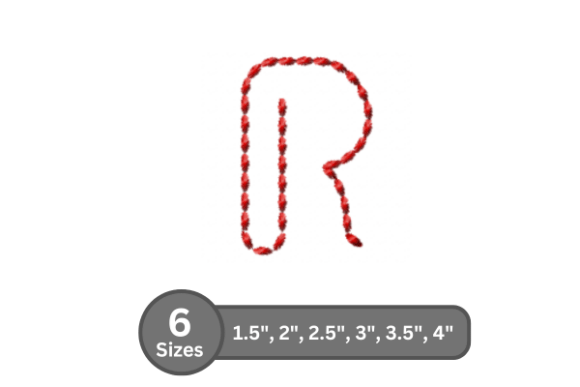
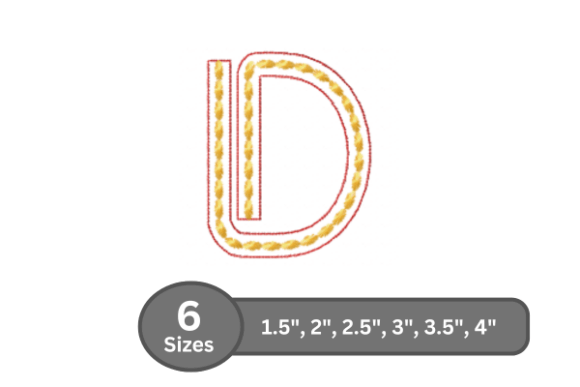
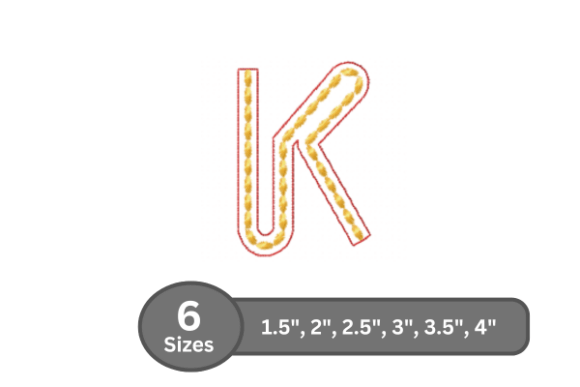
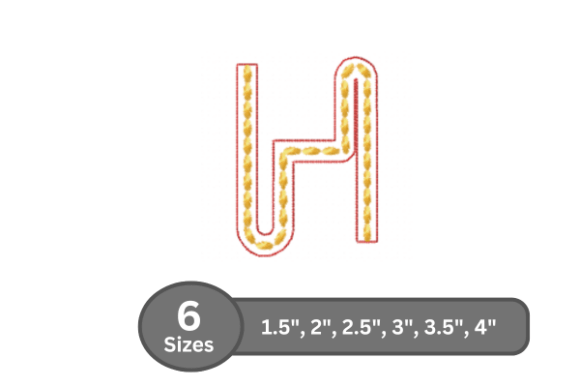
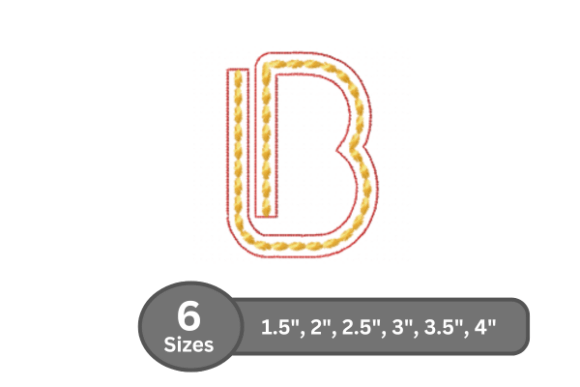
The immediate vibe of the Rope Twist Alphabet -B strikes a balance between rustic charm and refined elegance. It does not feel overly ornate or difficult to read, which is crucial for a handmade product intended for quick retail sales. The rope texture suggests durability and heritage, making it an excellent candidate for farmhouse-style goods, yet the clean fill stitch construction keeps it modern enough for contemporary boutiques. For an Etsy seller or small shop product creator, this aesthetic versatility is gold. It avoids being pigeonholed into a single niche, allowing me to use the same embroidery file for both vintage-inspired tea towels and modern canvas tote bags without the branding feeling disjointed.
Performance Across Key Craft Fair Products
In a real-world market scenario, I cannot rely on a single item type. I need a font that adapts. Here is how I evaluate the Rope Twist Alphabet -B across my core inventory:
- Tote Bag Design: Canvas totes are my highest volume sellers. The rope twist texture provides necessary visual weight against heavy cotton canvas. A simple monogram using this letter stands out from three feet away, drawing customers into the booth. The fill stitch nature ensures the design feels substantial to the touch, reinforcing the premium price point.
- Apron Embroidery: For kitchen and garden aprons, legibility is paramount. This design offers enough character to feel personalized without becoming so decorative that it loses readability when worn. It pairs exceptionally well with gingham or linen fabrics often used in handmade aprons.
- Tea Towel Embroidery: Flour sack towels have a distinct weave. The Rope Twist Alphabet -B appears dense enough to sit on top of the fabric texture rather than sinking into it. This is vital for maintaining crisp edges on textured surfaces.
- Embroidered Patches: If producing patches for caps or jackets, the rope style mimics traditional chenille or corded patch aesthetics but with the efficiency of standard fill stitches. This creates a high-value look with manageable production times.
Production Efficiency and Batch Viability
For a digital embroidery file to be profitable in a craft fair setting, it must be repeatable. I look for designs that allow for efficient hooping and minimal thread changes. The description notes this font is carefully digitized for smooth stitching, which implies optimized jump stitches and logical color runs. In batch production, where I might be running six identical tote bag designs consecutively, smooth pathing saves minutes per hoop. Over a production run of fifty items, those minutes translate directly to profit margins.
Furthermore, the visual consistency of the Rope Twist Alphabet -B makes it ideal for creating cohesive collections. Customers are more likely to purchase a matching set—a tea towel and an oven mitt, or a pouch and a pillow cover—if the typography feels unified. This design asset supports that upsell strategy by providing a consistent brand voice across different substrates.
Critical Technical Considerations for Sellers
While the aesthetic is strong, practical application requires caution. As a professional, I must highlight specific technical constraints to ensure the finished product meets customer expectations.
Fabric Texture and Stabilizer Selection
The rope effect relies on precise stitch placement. On highly textured fabrics like terry cloth or waffle weave, the detail can get lost. I strongly advise testing the stabilizer combination before committing to a full run. A water-soluble topping is often non-negotiable here to prevent the fill stitches from burying themselves in the pile. Always confirm the hoop size requirements in your software; resizing a textured fill stitch too drastically can distort the rope illusion, turning it into a muddy blob.
Thread Colors and Contrast
This design thrives on contrast. A cream rope twist on a navy tote bag sells itself; a white rope twist on a pale beige towel may vanish in photographs and in person. When planning my booth display, I prioritize high-contrast combinations that photograph well for printable mockups and online listings. Dark fabrics require careful attention to underlay; if the digitizing lacks sufficient edge-run underlay, the rope edges may fray or pull away from dark materials after washing.
Sizing Limitations
Fill stitch fonts have a minimum viable size. Unlike satin columns, fill stitches cannot shrink indefinitely without losing definition. Before listing a personalized keychain or small tag featuring the Rope Twist Alphabet -B, measure the actual stitched sample. If the rope texture blurs below two inches, reserve this font for larger applications like pillow covers or market bags and choose a simpler block font for tiny accents.
Maximizing Booth Display and Online Appeal
The success of a craft fair product depends heavily on presentation. Because this alphabet has inherent texture, it catches light beautifully. Position samples at eye level where natural or booth lighting can accentuate the dimensional quality of the stitches. Flat, matte fonts often fail to grab attention in crowded markets, but the Rope Twist Alphabet -B creates shadows and highlights that signal "handmade quality" instantly.
For my fellow Etsy sellers and digital creators, this texture also enhances photography. Close-up macro shots of the stitch density serve as powerful social proof of quality. When creating printable mockups, ensure the digital rendering accurately reflects the directional stitching of the rope twist. Misleading mockups lead to returns; accurate representation builds trust.
Designer’s Pre-Production Checklist
Before loading this embroidery file into my machine for the weekend rush, I adhere to a strict validation protocol. Skipping these steps is the fastest way to ruin expensive blanks and damage brand reputation.
- Stitch Out Verification: Never sell based solely on a screen preview. Stitch the Rope Twist Alphabet -B on the exact fabric intended for sale. Inspect the registration between the rope segments and the overall shape integrity.
- Wash Test: Craft fair customers ask, "Can I wash this?" Have an answer ready. Wash and dry one test piece to check for puckering, thread shrinkage, or distortion. Adjust tension or stabilizer if the sample fails.
- Licensing Confirmation: Verify the commercial license terms included with the digital embroidery file. Ensure you are permitted to sell finished physical products at markets and online. Respect the digitizer's work and protect your business legally.
- Spacing and Kerning: Test multi-letter combinations. Some script or textured fonts have awkward spacing when paired. Create a reference chart of approved letter pairings to avoid on-the-spot customization disasters during the fair.
- Mockup Accuracy: Create at least one real-photo listing image alongside digital mockups. Show the back of the embroidery to demonstrate clean finishing. This transparency increases conversion rates for discerning buyers.
The Rope Twist Alphabet -B represents a strong opportunity for creative entrepreneurs seeking to elevate their monogram offerings. By respecting its technical requirements and leveraging its unique textural appeal, this design can become a cornerstone of a profitable craft fair collection. Success lies not just in the digitizing, but in the thoughtful application of the design to products that resonate with buyers seeking authentic, high-quality handmade goods.